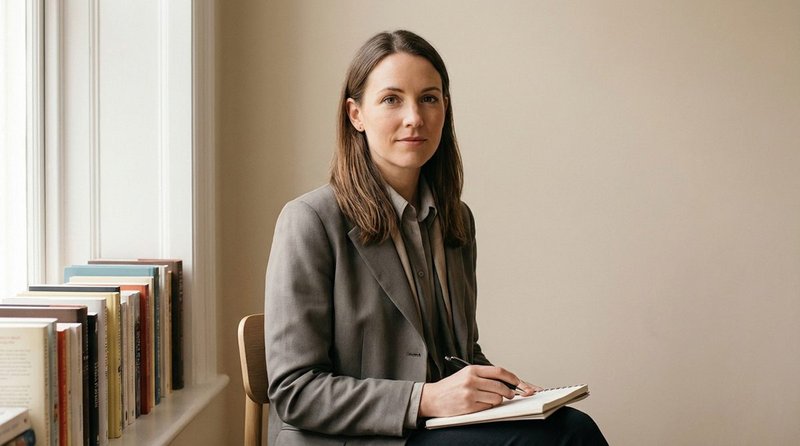
Fake Off documents real misinformation cases and teaches practical methods to identify them. This site is run by one person — a journalist who has spent over a decade covering how false narratives spread and how to stop them.
What Fake Off Is — and What It Is Not
Fake Off is a documentation and education project. Every case in the database is a real, verified incident of misinformation that was publicly circulated. Nothing here is invented or hypothetical.
This is not a fact-checking outlet in the traditional wire-service sense. I do not issue verdicts on breaking news in real time. What this site does instead: take documented cases, explain why they spread, and break down the specific signals that made them recognizable as false or misleading — so readers can apply those patterns themselves.
The distinction matters. Real-time fact-checking requires institutional infrastructure. What one person can do well is build a structured, annotated library of cases and translate that into teachable methodology. That is the scope of this project.
How Cases Are Documented
Each entry in the Fake News Database follows a fixed structure: the original claim, where and when it circulated, what the evidence actually shows, and which detection methods apply. No entry is published without at least two independent primary sources confirming the debunking.
Sources are cited inline — not collected in a bibliography at the end. If a claim cannot be traced to a named institution, official record, or verifiable primary source, it does not enter the database. Estimates, secondhand accounts, and single-source reports are marked explicitly as such.
Each case is tagged with a verdict label from a fixed set: DEBUNKED, VERIFIED, MISLEADING, SATIRE, or IN REVIEW. Cases marked IN REVIEW are still being investigated and are clearly flagged as incomplete.
Sources and Methodology
Primary verification sources used on this site include official government records, peer-reviewed scientific publications, court documents, archived original media, and statements from named institutional spokespeople. Crowdsourced platforms and anonymous social media accounts are not used as primary sources.
For image and video verification I use standard open-source tools: reverse image search via Google Images and TinEye, geolocation cross-referencing, and metadata analysis where files are accessible. Deepfake detection follows current guidance from the MIT Media Lab and First Draft’s visual verification protocols.
I cross-reference findings with established fact-checking organizations including Snopes, PolitiFact, Full Fact (UK), Correctiv (DE), and AFP Fact Check — but their verdicts are treated as corroborating evidence, not as the primary source. Independent verification is always the standard.
Contact and Corrections
If you find a factual error in any entry, use the contact form to submit a correction request with your source. Corrections are applied within five business days and the change is noted in the entry’s revision log. Transparency about errors is non-negotiable — this site covers misinformation, so it cannot afford to be careless about accuracy itself.
For media literacy workshop inquiries, school or university collaborations, or press requests, the same contact form applies.