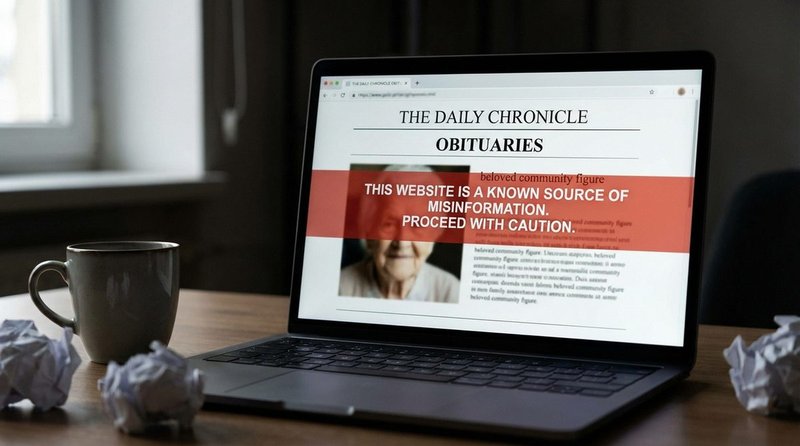
Morgan Freeman has been reported dead at least a dozen times since 2012. Keanu Reeves has survived multiple online obituaries. Celebrity death hoaxes are not a new phenomenon, not a passing fad, and not random — they are a proven traffic-generation model with a clear business logic.
The Claim
Fake news websites have periodically published fabricated obituaries for living celebrities — Morgan Freeman, Keanu Reeves, Jackie Chan, Betty White (before her actual death in 2021), and dozens of others. The articles typically include realistic-looking news layouts, fake quotes from associates, and urgent social sharing prompts. The claim is always the same: a beloved public figure has died unexpectedly.
How It Spread
The celebrity death hoax genre predates social media — chain emails reported the deaths of various celebrities throughout the 1990s and 2000s. The format industrialized with the rise of advertising-funded clickbait sites around 2010–2014. Sites could generate hundreds of thousands of pageviews within hours of publishing a celebrity death hoax, earning substantial ad revenue before the article was taken down or debunked.
Snopes’s celebrity hoax archive documents hundreds of cases going back to the early 2000s. The Internet Archive (Wayback Machine) preserves many of the original hoax pages, which were typically deleted once debunked. Poynter’s fact-checking network has tracked the recurring nature of these hoaxes, noting that the same celebrity names are targeted repeatedly — Freeman and Reeves appear in Snopes records for more than ten distinct hoax incidents each.
The Truth
All named celebrities in the documented hoax cases were alive at the time of publication. Verification is straightforward: a 30-second search of the celebrity’s official social media accounts, a major news wire service (Reuters, AP), or their official management contact will immediately surface either a denial or conspicuous silence from the celebrity themselves — who are typically alerted and post rebuttals within hours.
How to Spot It
- Check major wire services first: if a genuine celebrity had died, Reuters, AP, and the BBC would have published the story within minutes. If only one obscure site is reporting it, it is almost certainly false.
- Look at the URL and site name: celebrity death hoax sites often use domain names designed to resemble legitimate news outlets (e.g., “abcnews.com.co” rather than “abcnews.com”). One extra character in the URL is enough to create a convincing fake.
- Check the celebrity’s own social media accounts: most public figures post actively and their accounts will either rebut the claim directly or show continued normal activity.
- Before sharing, ask: does this story benefit anyone financially if it goes viral? Celebrity death hoaxes are, at their core, an advertising revenue model.
Classification
Celebrity death hoaxes are classified as clickbait fabrication / financially motivated misinformation. Unlike politically motivated fake news, the primary driver is ad revenue rather than influence operations. The emotional trigger is grief and the human impulse to share sad news with others — both of which override normal skepticism. The recurring nature of these hoaxes (same celebrities, same format, year after year) demonstrates that the model remains profitable, which is why it persists despite widespread awareness of the genre.